

A Modern Lunar Almanac
LuNAC presents real-time celestial cycles in calendar form. Built on deterministic astronomical computation, it provides observational context for lunar and planetary cycles without prediction or interpretation.
Observational, Not Predictive
LuNAC computes astronomical events. It does not interpret them. No horoscopes, no fate-driven forecasts, no promises about what the moon means for your week.
Astrology assigns meaning to celestial patterns. Astronomy observes them. LuNAC is built on the latter: deterministic calculation, provenance-tracked data, and observable facts only.
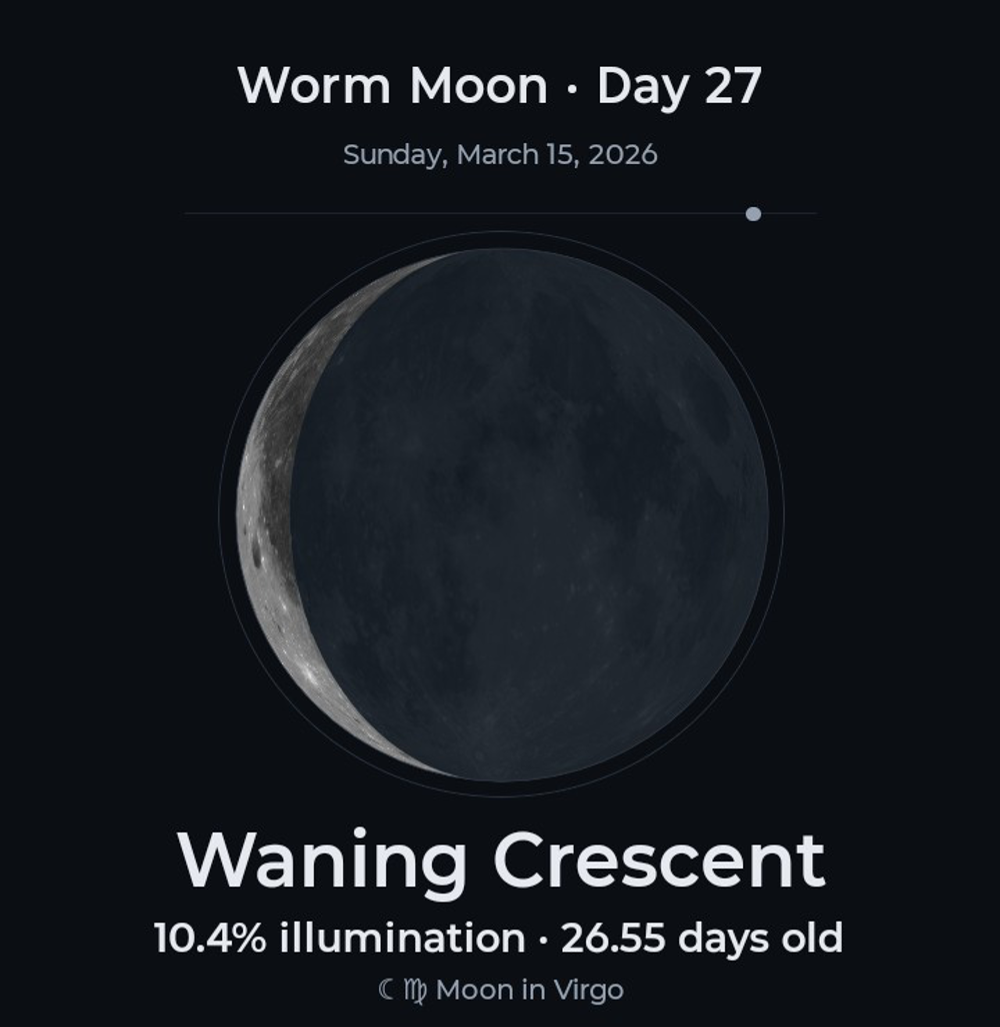
Every value shown is deterministically computed — no approximation, no interpretation.
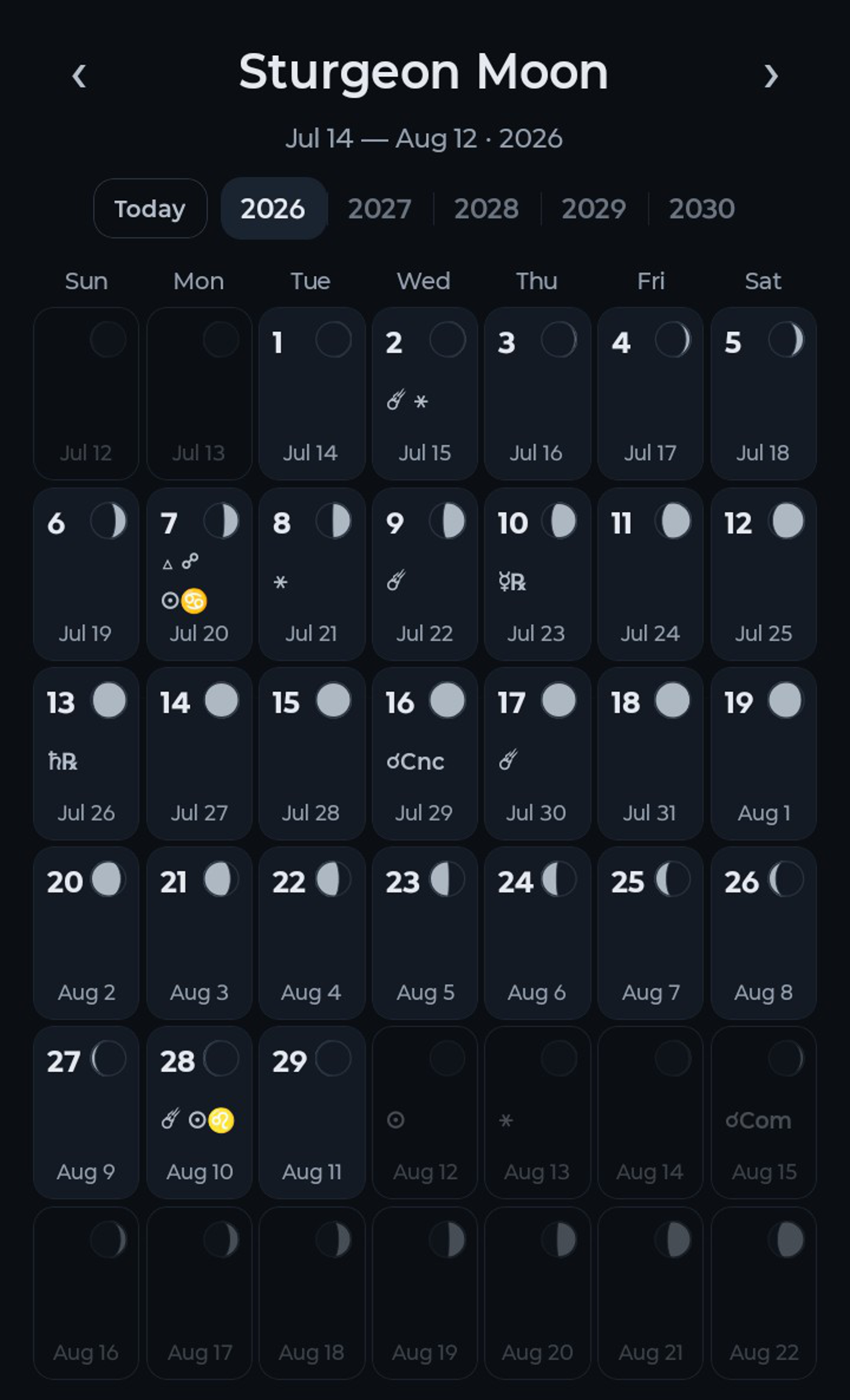
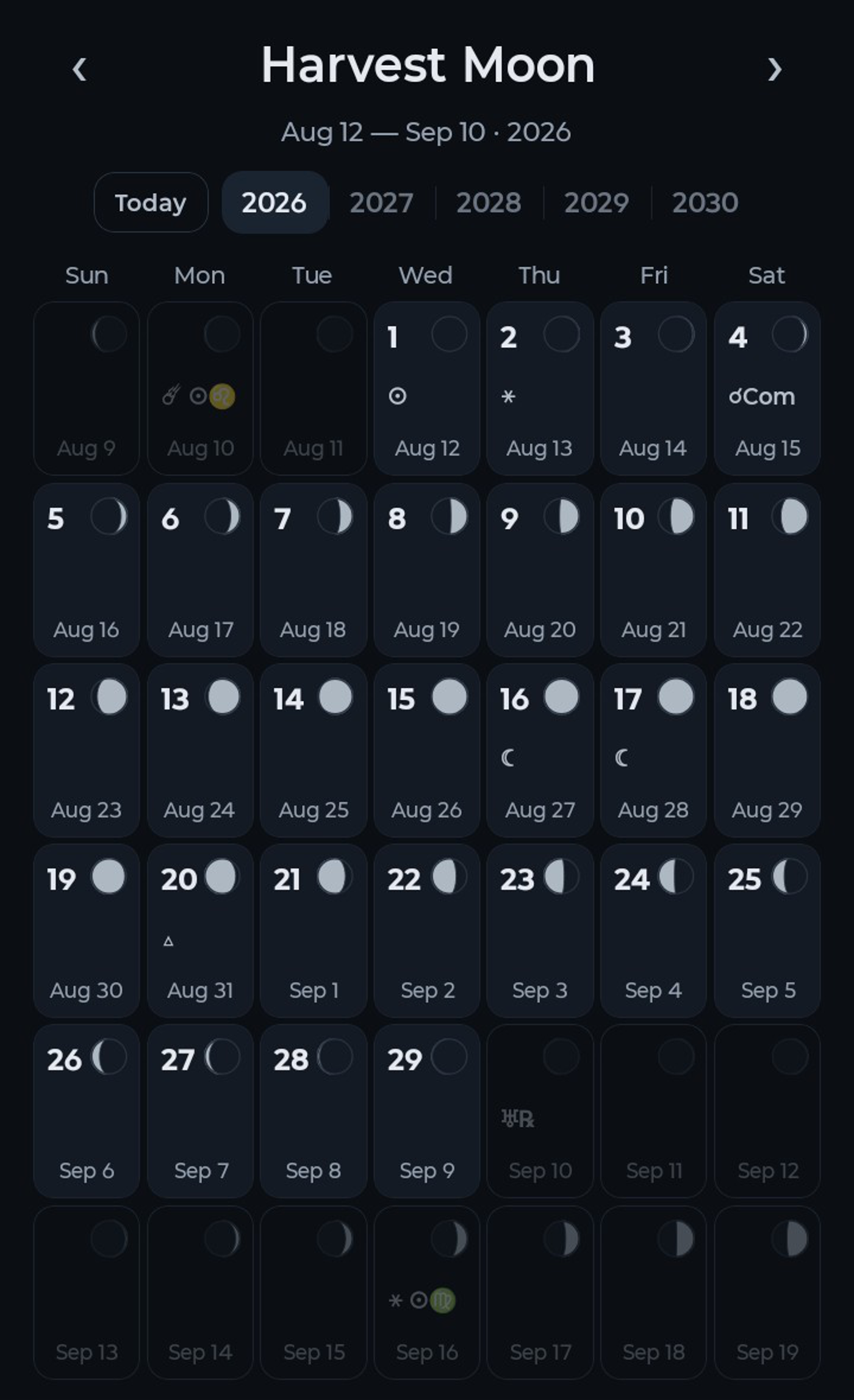
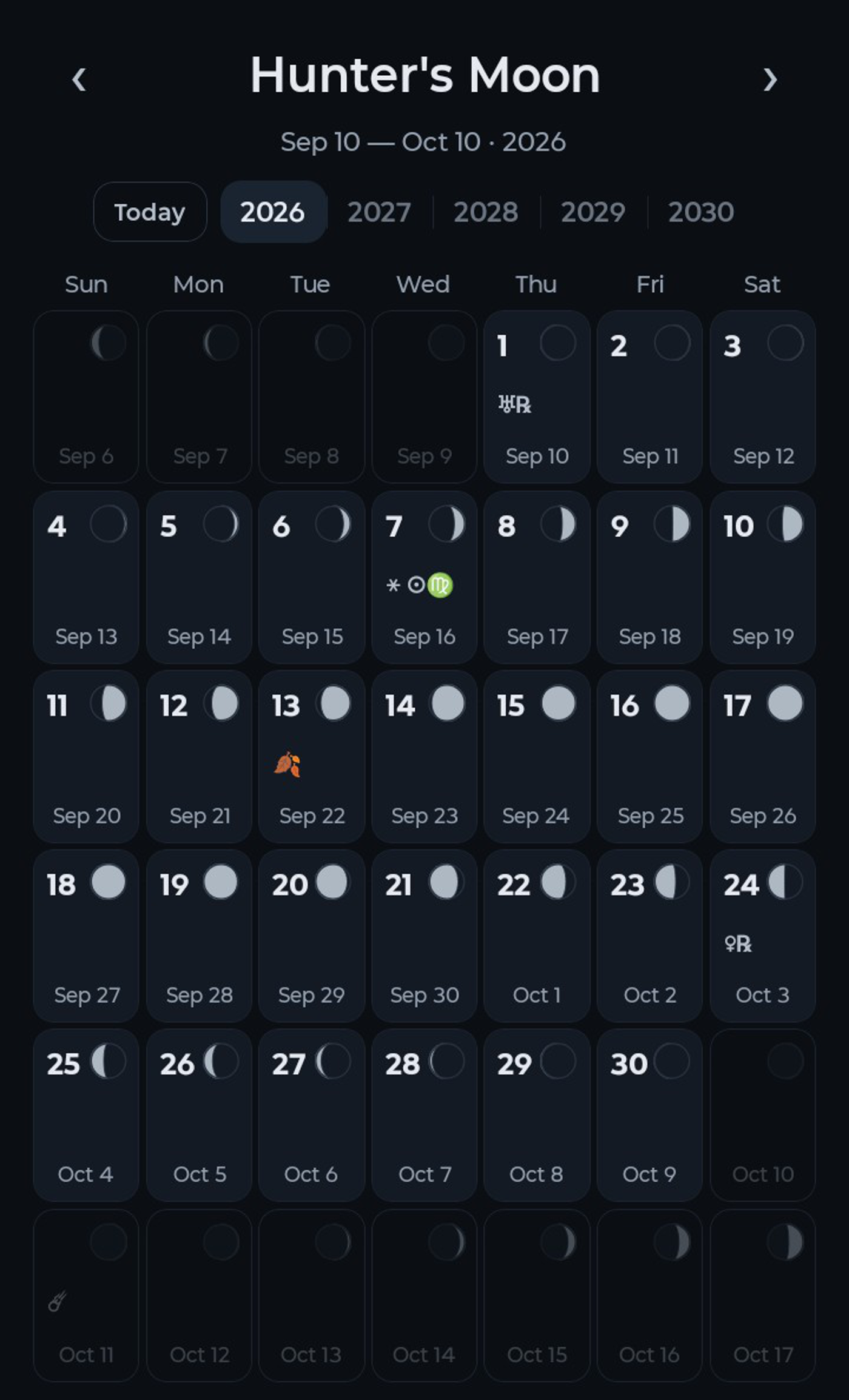
A sky calendar built from actual celestial cycles.
What Is a Modern Lunar Almanac?
A modern lunar almanac translates astronomical computation into calendar form. Where traditional almanacs relied on printed tables, LuNAC computes celestial events in real time—lunar phases, perigee and apogee, eclipses, and planetary conjunctions—presenting them as they unfold.
It serves the same purpose almanacs have always served: providing accurate celestial event timing for planning, observation, and seasonal awareness. The difference is precision. Every event is calculated from ephemeris models, not approximated from static data.
This is a tool for seeing the sky's rhythms clearly, without mysticism, without pressure, without noise.
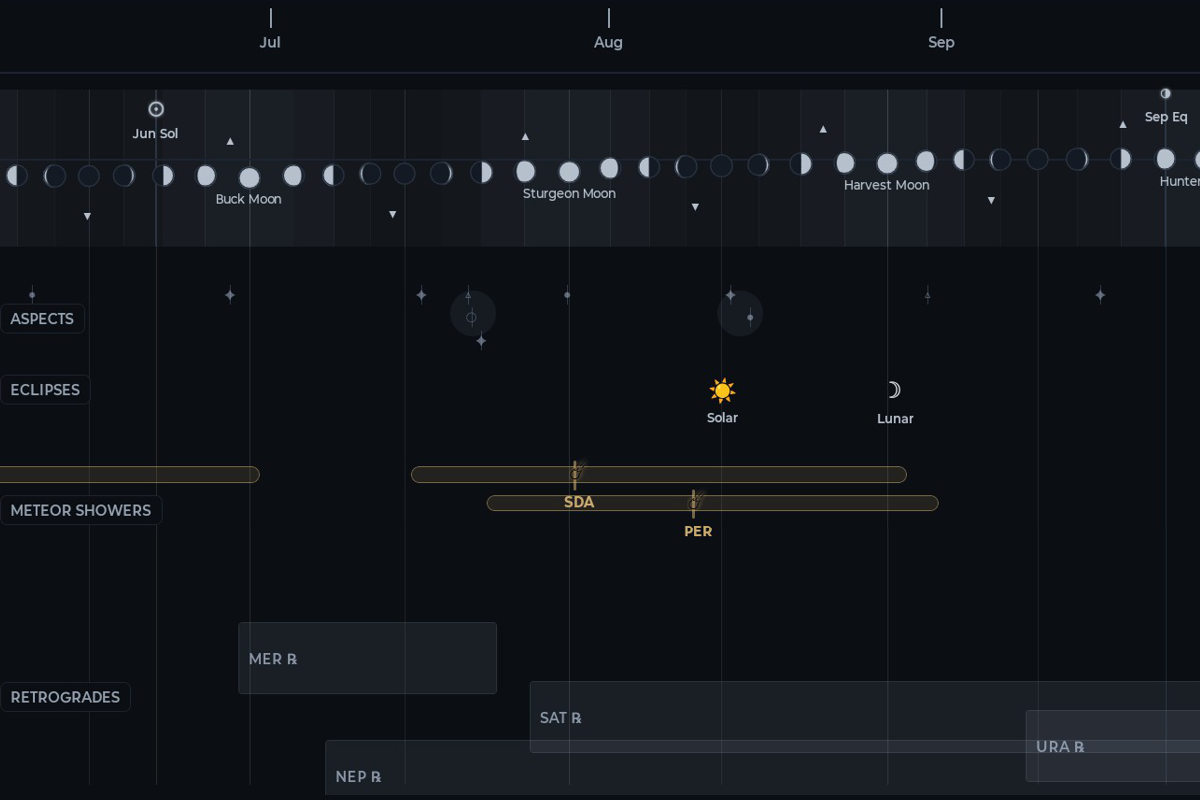
Celestial events visualized across time — observable, continuous, deterministic.
Built on Deterministic Computation
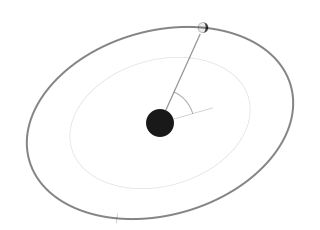
Every celestial event in LuNAC is computed from astronomical models. Lunar phases are derived from the Moon's orbital position relative to Earth and Sun. Perigee and apogee calculations account for the Moon's elliptical orbit. Eclipses emerge from the geometry of the Sun-Earth-Moon system and the lunar nodes.
Nothing is approximated. Nothing is guessed. Every timestamp carries provenance—a traceable path from ephemeris data to your calendar.
LuNAC computes these events in UTC and displays them in your local timezone. The sky does not change based on where you stand, but your view of it does. This tool respects that difference.
Every value shown is computed, not inferred.
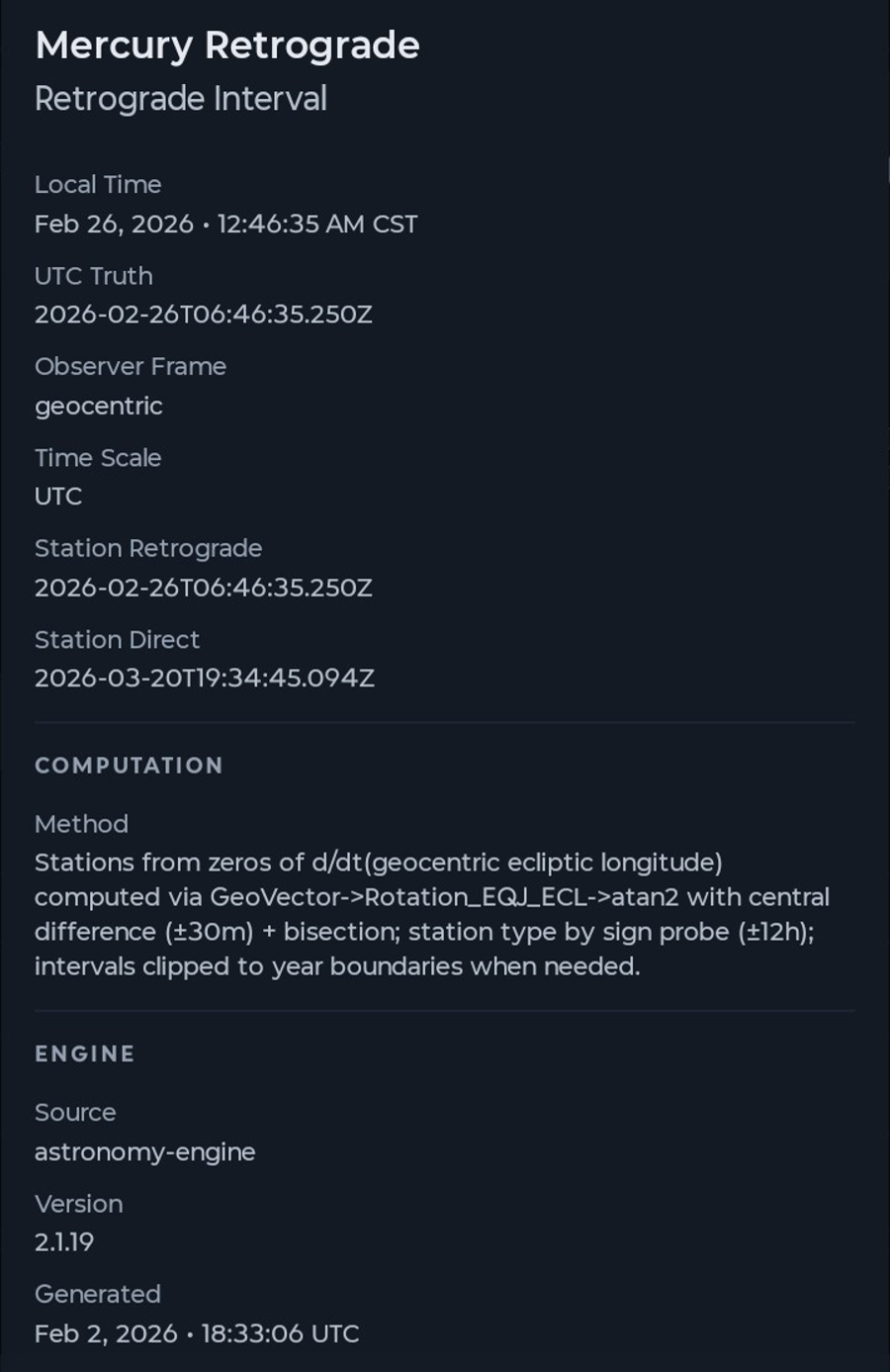
Every event carries a traceable path from astronomical model to calendar.
How LuNAC Computes a Calendar Event
From astronomical source data to calendar-ready output.
Astronomy Engine
The astronomy engine is the computational source layer behind LuNAC. It uses a deterministic ephemeris library (v2.1.19) to compute precise celestial positions and motion from models based on VSOP87-series and NOVAS-validated algorithms.
LuNAC builds on these outputs with its own deterministic computations — phase searches, retrograde station detection, aspect timing, and coordinate transforms — ensuring every derived event originates from a defined astronomical calculation.
Nothing is interpolated, approximated, or inferred. Every result carries full provenance from engine output to calendar representation.
Interface Preview
LuNAC presents celestial cycles through multiple observational views.
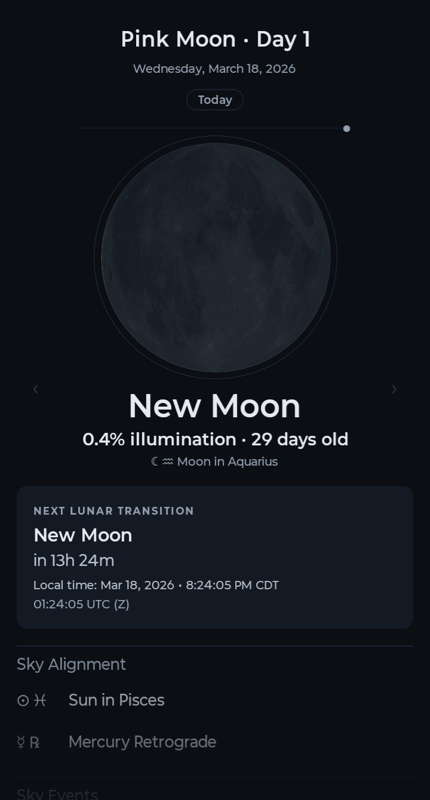
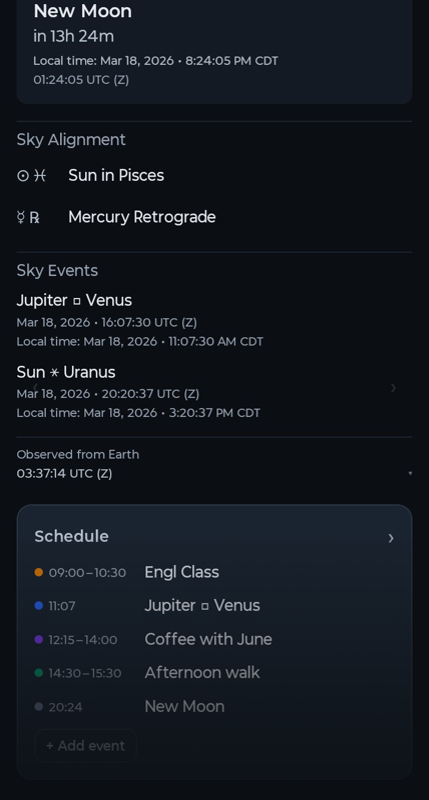
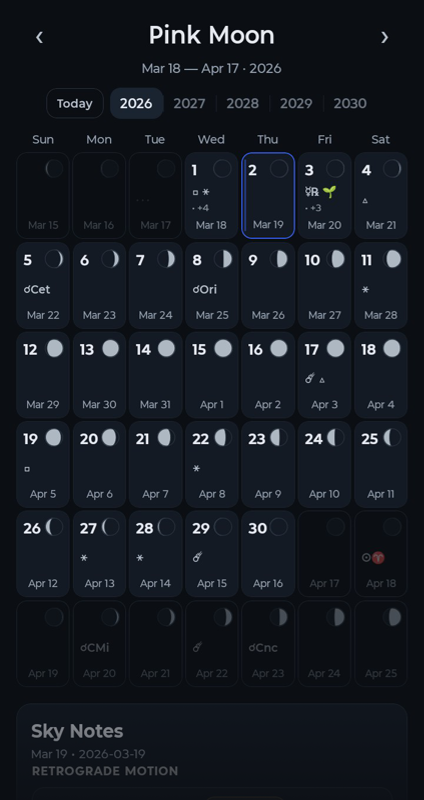
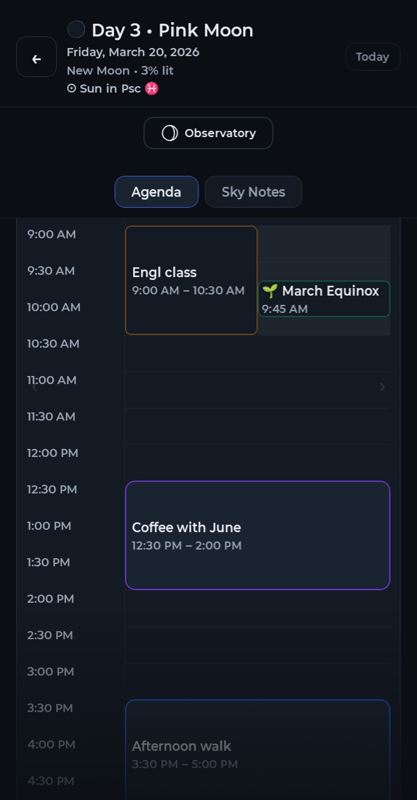
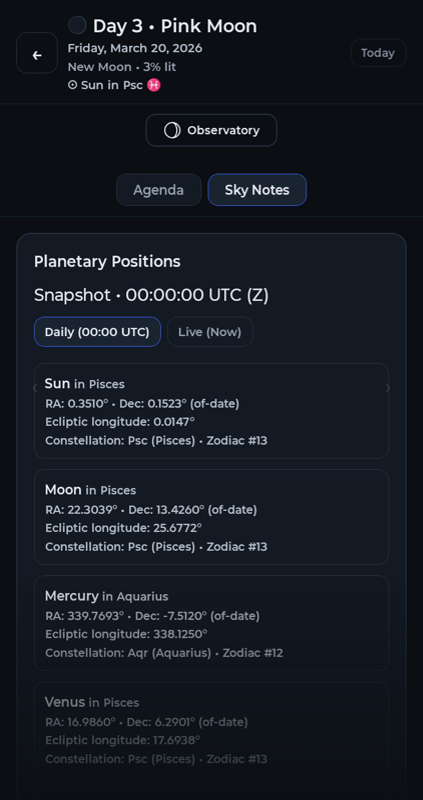
A tool shaped for how people actually observe and live with the sky.
Built for Real-World Rhythms
Gardeners and Growers
Plant by the moon—not because it is mystical, but because lunar cycles have long been observed and recorded alongside seasonal patterns. LuNAC provides accurate phase timing and apogee-perigee tracking for those who integrate celestial observation into land-based practice.
Seasonal Practitioners
Whether you observe sabbats, mark solstices, or practice rituals aligned with lunar cycles, LuNAC offers precise timing without interpretive overlay. You bring the meaning. LuNAC brings the math.
Rhythm-Oriented Individuals
Some of us simply prefer cyclical time to linear productivity. LuNAC serves those seeking alternatives to the relentless pace of optimization culture—offering natural rhythms as gentle scaffolding, not as another system to hack.
Join the Waitlist
LuNAC is launching soon. Sign up to receive one email when the almanac is ready. No spam. No promotional noise. Just a quiet notification when you can start using it.